
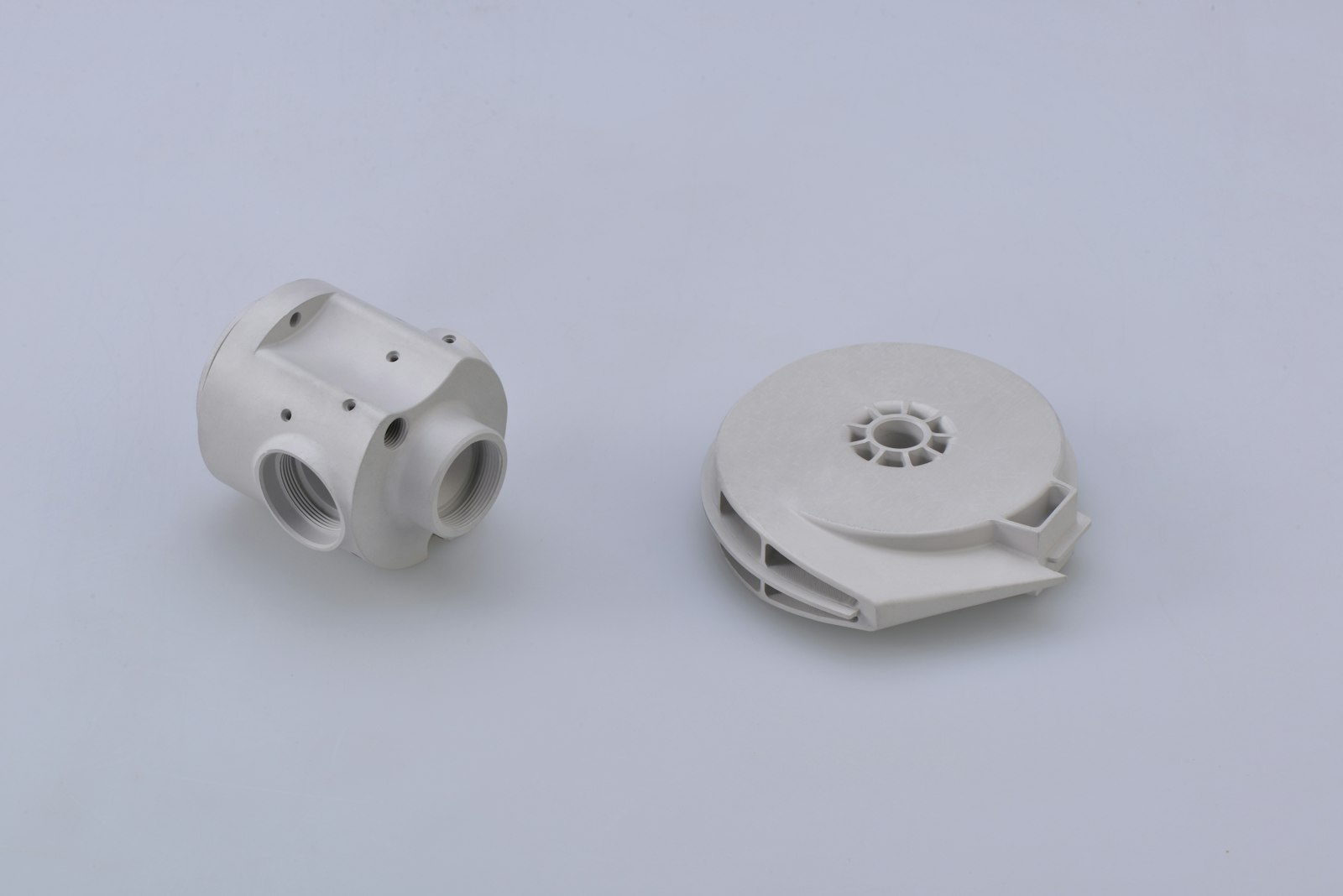
The injection mold industry forms the backbone of modern plastic manufacturing. From consumer electronics and home appliances to automotive and medical devices, high-quality injection molds play a vital role in ensuring product precision, consistency, and production efficiency. As competition continues to intensify, conventional mold factories are finding it increasingly difficult to meet the growing expectations of global customers. To remain competitive and achieve sustainable growth, injection mold companies need to strengthen their capabilities in engineering, quality control, manufacturing technology, customer service, and standardized management. This article explores the key elements of building a reliable, professional, and high-performing injection mold company.
Professional mold design is one of the defining characteristics of an outstanding injection mold company. While many manufacturers simply produce molds based on customer drawings, leading companies create added value by optimizing mold designs before production begins. A qualified engineering team should be proficient in DFM (Design for Manufacturability) analysis, helping customers improve wall thickness, draft angles, gate locations, and cooling systems at the design stage. Well-designed mold structures help minimize common molding defects such as shrinkage marks, warping, bubbles, and flash. Attention to design details is equally important. Leading manufacturers standardize critical elements such as runner balancing, vent design, and conformal cooling layouts to ensure stable mold performance and extended service life. Combined with advanced 2D and 3D design software and standardized engineering procedures, these practices result in mold solutions that are technically sound, practical, and highly manufacturable.
Precision manufacturing capabilities and advanced production equipment are fundamental to producing high-quality injection molds. Mold precision depends not only on machining equipment but also on consistent production standards. Leading mold manufacturers typically complete the entire machining process in-house, using high-precision CNC machining centers, EDM machines, wire cutting machines, and precision grinding equipment. Regular equipment maintenance and upgrades help ensure micron-level machining accuracy. Material selection is equally important. High-quality mold steel with appropriate hardness, wear resistance, and corrosion resistance should be selected according to the product’s application requirements. Professional surface treatments, including nitriding and plating, further extend mold service life and improve molding performance. Combined with standardized machining processes and strict material control, these practices ensure molds remain precise, durable, and consistent in production.
Comprehensive quality control throughout the entire production process is what sets outstanding injection mold companies apart from ordinary manufacturers. Professional manufacturers carry out quality inspections at every stage of production, from incoming steel inspection and dimensional verification during machining to assembly testing and final mold trial validation. Complete quality records are maintained throughout the project, documenting processing parameters and inspection data to ensure full traceability. During T1 mold trials, engineers carefully evaluate product dimensions, surface quality, and molding stability while optimizing injection pressure, temperature, and cycle time until qualified parts are consistently produced. A well-established quality management system helps reduce defect rates, minimize repeated modifications, and improve both delivery reliability and customer satisfaction.
Professional customer service and technical support play a vital role in building long-term customer relationships. Outstanding injection mold companies go beyond simply supplying molds by providing support throughout the entire project lifecycle. From initial communication, design confirmation, and project updates to installation guidance, mold maintenance, and after-sales service, every stage is managed through standardized and efficient processes. Dedicated project managers and English-speaking teams help ensure clear communication with international customers, accurately interpret project requirements, and respond promptly to technical issues. In addition, experienced manufacturers provide practical mold maintenance recommendations to help customers extend mold service life, reduce production costs, and maintain stable mass production. This level of value-added support helps build long-term customer relationships while strengthening their reputation.
Standardized management and continuous innovation are essential to the long-term success of an injection mold company. Leading manufacturers maintain standardized production management, efficient production scheduling, and strict delivery control to minimize delays and keep production running smoothly. They also adopt Industry 4.0 management systems to monitor production progress in real time, improve operational efficiency, and reduce human error. At the same time, they continuously adopt advanced international mold technologies, refine manufacturing processes, and expand their expertise in complex molds, multi-cavity molds, and high-precision molds for medical and automotive applications. Continuous improvement enables companies to respond to increasingly demanding customer requirements while maintaining long-term competitiveness.
Ultimately, an excellent injection mold company is built on professional design, precision manufacturing, rigorous quality control, reliable service, and continuous innovation rather than low prices alone. By strengthening technical capabilities, standardizing every stage of production, and keeping customer value at the center of its operations, a mold manufacturer can steadily grow into a trusted supplier for global buyers while achieving sustainable long-term growth in an increasingly competitive market.