
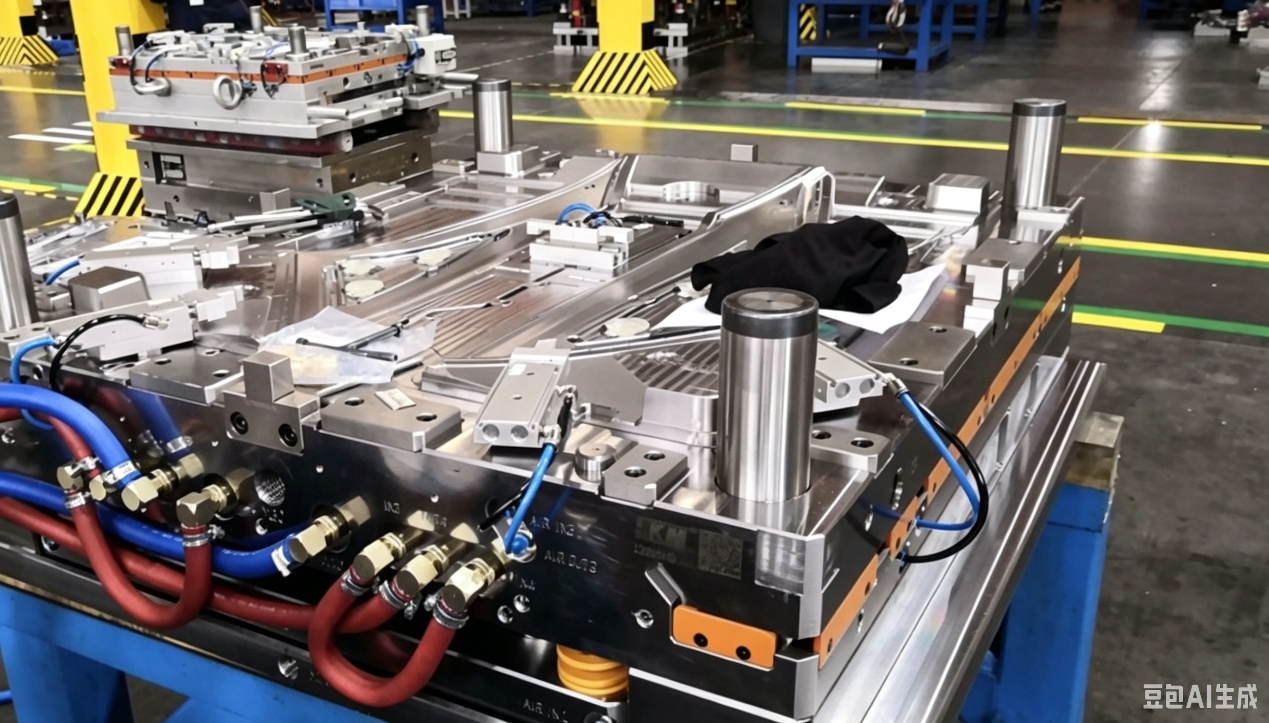
China has long been a major player in the global mold manufacturing market, supplying high-precision, durable molds at prices 40% to 60% lower than those offered by manufacturers in Europe, the United States, and other developed regions. For decades, companies of all sizes around the world have turned to Chinese mold suppliers as key sourcing partners, not simply because of lower prices, but because of their strong cost-performance balance between affordability and reliable quality. Some overseas buyers assume that lower prices from Chinese manufacturers must come at the expense of quality. In reality, China’s pricing advantage is driven by broad industrial strengths rather than reduced material quality or shortcuts in manufacturing processes. Several key factors work together to give China a distinctive cost advantage in the global mold industry.
One major factor is China’s relatively competitive labor costs. Mold manufacturing is both knowledge-intensive and labor-intensive, relying heavily on skilled engineers, CNC operators, and experienced polishing technicians. In Western countries, professional mold engineers typically earn US$75 to US$125 per hour, while skilled workshop workers cost around US$30 to US$40 per hour. Chinese mold engineers and technical personnel, by comparison, generally receive standardized professional training, have extensive experience serving international customers, and maintain a high level of technical expertise, while their overall hourly cost is only around US$20 to US$40. Even for labor-intensive processes such as mold polishing and surface finishing, hourly labor costs in China are only about one-fifth of those in Western countries. This consistent labor cost difference significantly lowers overall production expenses without compromising machining precision or technical standards.
China’s highly integrated industrial supply chain is another major contributor to its competitive mold costs. Mold production depends on a wide range of supporting resources, including mold steel, hot runner systems, precision components, and processing equipment. While supply networks in other regions may be more dispersed, China has developed highly concentrated mold manufacturing clusters in Guangdong, Zhejiang, and Jiangsu. In major production hubs, upstream and downstream processes such as steel procurement, EDM processing, precision grinding, surface treatment, and mold testing can often be completed within a 20-kilometer radius. This geographic concentration reduces intermediate distribution, logistics, and transaction costs while also shortening production lead times. At the same time, the local mass supply of auxiliary materials and components helps keep procurement costs stable and avoids the high import costs and extended lead times that manufacturers in other countries may face.
China’s large manufacturing scale and mature operating practices further strengthen this cost advantage. As the world’s largest manufacturing base, China produces a huge volume of plastic molds, die-casting molds, and precision hardware molds every year. Strong domestic demand allows Chinese mold manufacturers to operate at scale and spread fixed expenses such as factory rent, equipment depreciation, and utilities across a larger production base. From an operational perspective, many Chinese mold companies also rely on lean management structures with relatively simple organizational setups and lower overhead. Overall overhead and profit margins at Chinese mold factories are typically maintained at 25% to 35%, compared with 35% to 45% among Western manufacturers. In addition, flexible production scheduling and high equipment utilization help Chinese factories increase productivity and maximize output per unit of investment.
Another driver of this cost advantage is decades of accumulated technical expertise and well-established talent development systems. China’s mold industry has developed a comprehensive technical framework covering design, machining, assembly, and testing. Many technical teams have extensive experience working with Fortune 500 companies as well as small and medium-sized businesses worldwide, giving them familiarity with international mold standards and diverse customization requirements. Chinese mold designers also use established CAD/CAM software and standardized design procedures to optimize molds, reducing modification rates and increasing first-pass production yields. At the same time, China’s well-developed local training system continues to produce skilled technicians and management professionals, helping maintain consistent technical capabilities while reducing the additional costs associated with labor shortages and unstable technical expertise.
Favorable policy conditions and well-developed industrial infrastructure also help lower indirect operating costs. The Chinese government has long supported the development of advanced and precision manufacturing industries. Mold manufacturing companies located in industrial parks can benefit from preferential policies related to land use, taxation, and infrastructure development. Public utilities and supporting services, including industrial power, water supply, and logistics, further help reduce day-to-day operating expenses. For international trade, established export procedures and extensive cross-border logistics experience also help lower the overall sourcing costs faced by overseas buyers.
Ultimately, China’s competitive mold pricing comes from a combination of factors, including lower labor costs, integrated supply chains, economies of scale, efficient operations, and supportive industrial policies. This cost advantage is built on a mature manufacturing ecosystem and should not be mistaken for low-end price competition. Chinese molds now offer internationally competitive levels of precision and durability, while their strong cost-performance ratio has become a key competitive advantage in the global mold market. These combined strengths continue to make Chinese mold manufacturers attractive long-term partners for buyers around the world.